Manual testing does not scale with a growing product. We build automated unit, integration and API test suites, wire them into your pipeline, and set up the quality gates that stop regressions reaching customers.
Integration tests run against a real database in containers rather than a mock, so they catch the problems that would otherwise reach production. Front-end logic is covered with Vitest, and pipelines also audit dependencies for known vulnerabilities and fail when the JavaScript bundle grows past its budget.
AI features get tests of their own: a golden set of real cases, scored on every change, including attempts to slip instructions into the prompt.
From our recent work
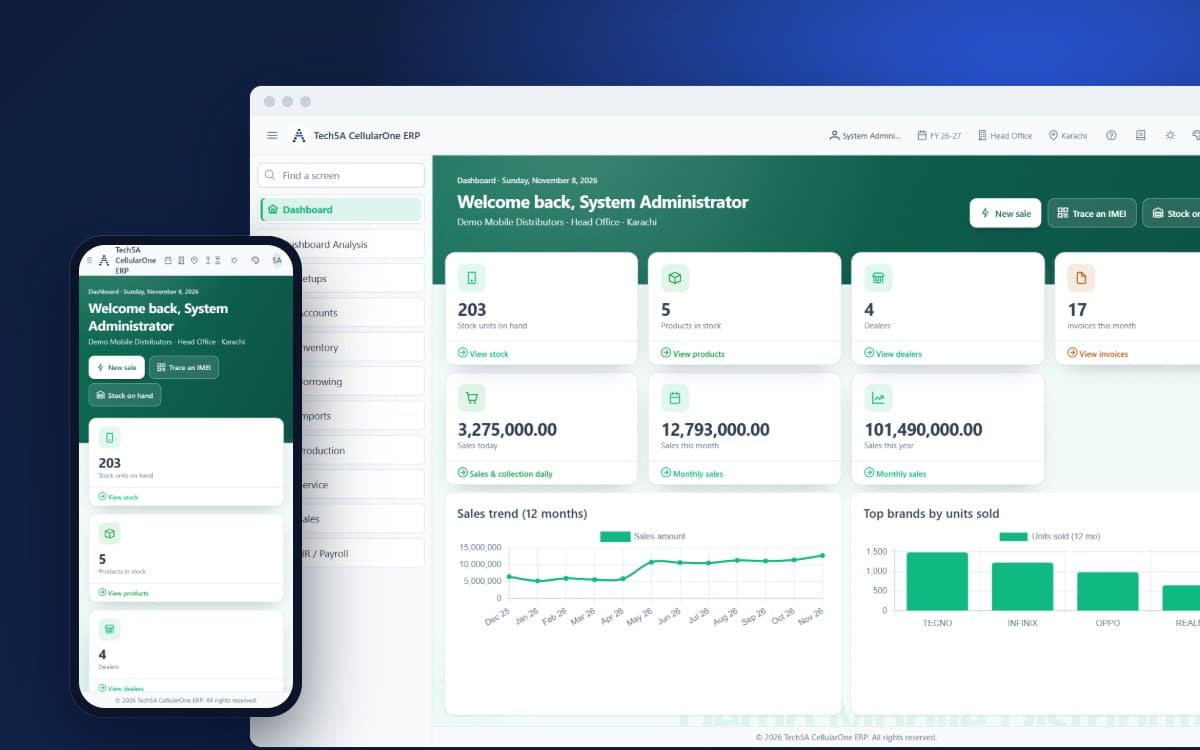
- About 3,000 xUnit tests and more than 200 Vitest tests on a distribution ERP.
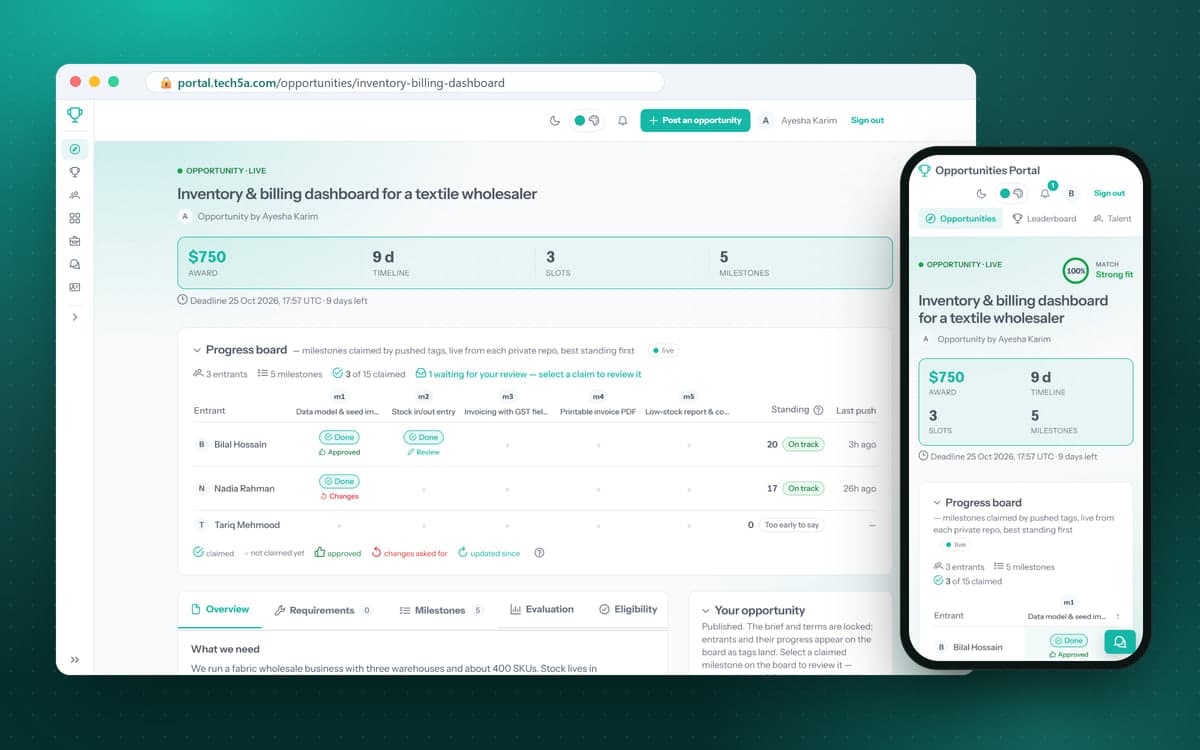
- More than 2,000 automated tests and 83 AI evaluation cases, 8 of them prompt-injection attempts, on the Opportunities Portal.
- Nearly 700 xUnit and Vitest tests added while moving a CRM off WebForms.
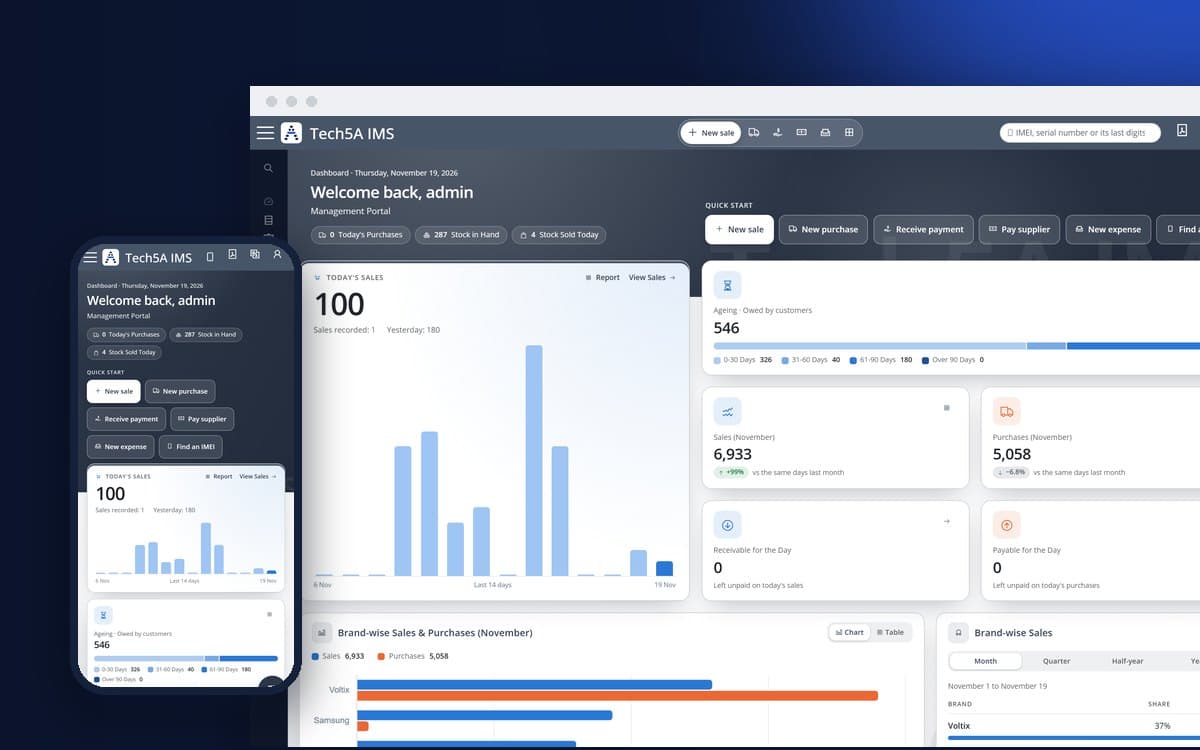
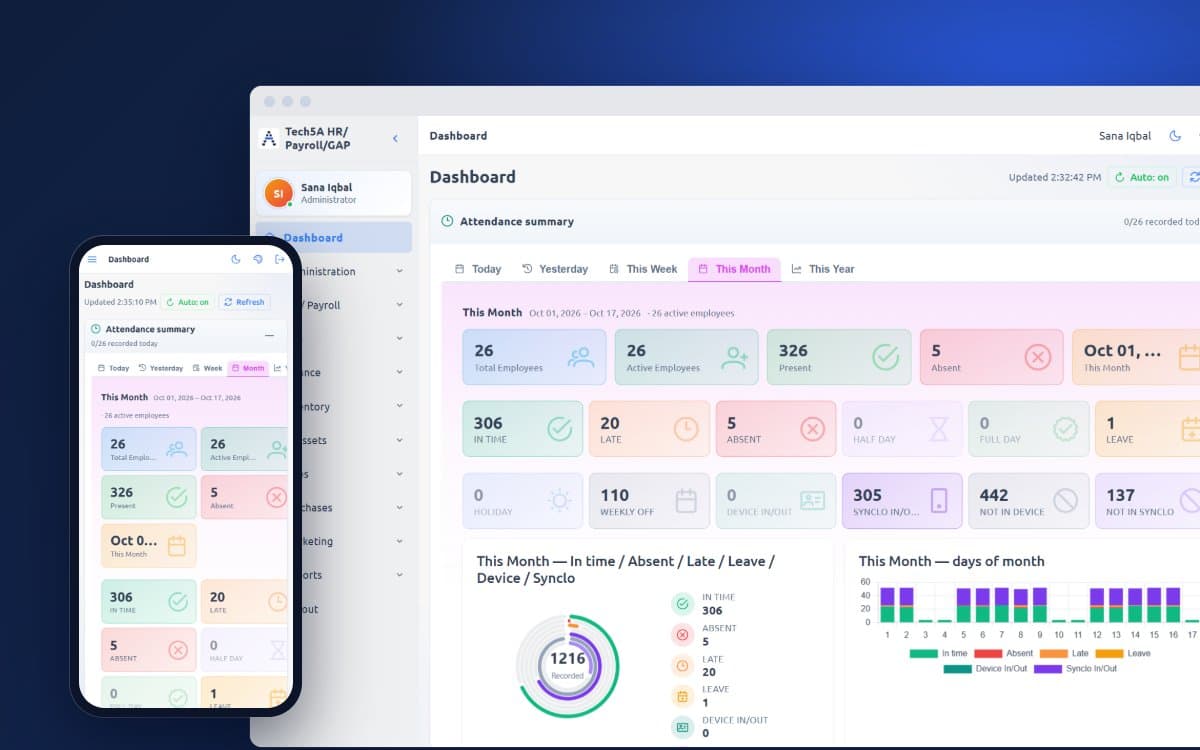
- Between 100 and 400 tests on each of our HR, inventory, dealership and booking systems.
What is included
- Test strategy and coverage plan
- Unit, integration and API test automation
- Integration tests against a real database with Testcontainers
- Front-end tests with Vitest
- Evaluation sets for AI features
- Quality gates in CI: tests, vulnerability audits, coverage and bundle budgets
Who this is for
Products with frequent releases, regulated workflows or a history of production regressions.
Common questions
- Can you add tests to an existing codebase?
- Yes. We start with the highest-risk flows, build a safety net around them, and expand coverage as the code is refactored.
- How do you test AI features?
- With a golden set: real inputs paired with what a good answer must and must not contain, scored automatically whenever the prompt or the model changes. A change that scores worse does not ship.